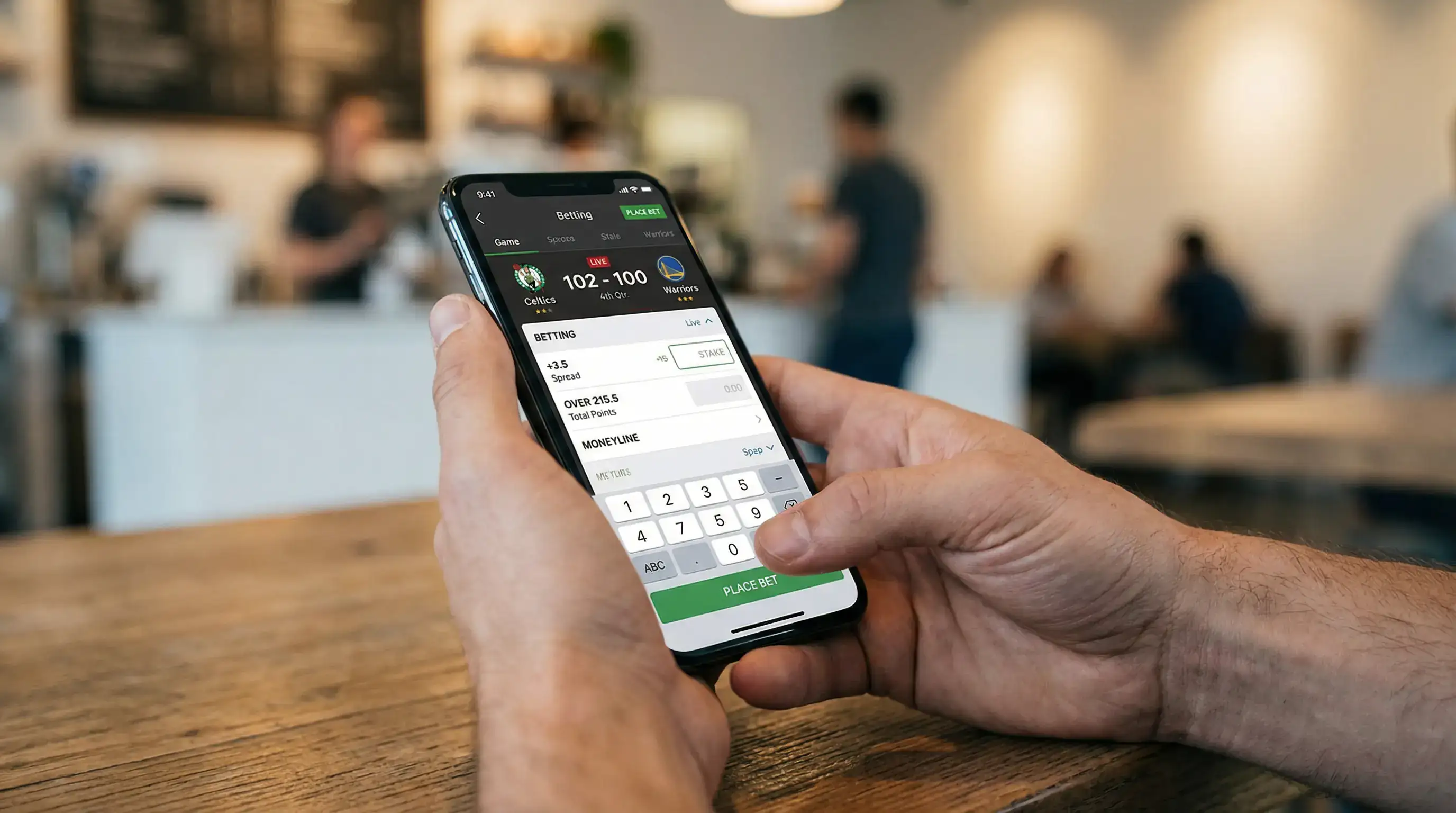
Double-Double and Triple-Double Props: Evaluating NBA Milestone Markets
 Available in US
Nikola Jokic recorded his 130th career triple-double against Portland last month. His triple-double prop paid -180 – meaning you’d risk £180 to win £100. The odds reflected what everyone knew: Jokic gets triple-doubles like most players get double-doubles. But the pricing also revealed the core challenge of milestone props. When outcomes are this predictable, has the market already eliminated the edge?
Double-doubles and triple-doubles represent binary milestones rather than continuous statistics. Either a player hits 10-10 in two categories or they don’t. Either they hit 10-10-10 or they fall short. This binary nature creates distinct pricing dynamics compared to over/under props where outcomes distribute across a range.
Understanding which players consistently achieve these milestones – and which situations make milestones more or less likely – provides the foundation for evaluating whether specific prop prices offer value or simply reflect obvious outcomes.
Players Who Hit Double-Doubles Consistently
The NBA’s elite big men post double-doubles with metronomic regularity. Jokic, Giannis Antetokounmpo, Domantas Sabonis, and Anthony Davis exceed 60% double-double rates in typical seasons. Betting them to achieve a double-double offers minimal value – the prices accurately reflect near-certainty.
The interesting middle tier includes players who hit double-doubles at 40-55% rates. These players are talented enough to threaten milestones nightly but inconsistent enough that outcomes genuinely vary. Their props carry real uncertainty that pricing might not perfectly capture.
Guards rarely achieve double-doubles unless they’re rebounding anomalies like Russell Westbrook or elite playmakers in high-assist systems. When guard double-double props appear, they often offer value because casual bettors underestimate how difficult double-digit rebounds or assists are for perimeter players.
Role players sometimes see inflated double-double potential in specific situations. When stars rest, supporting players see usage and opportunity spikes that might push them toward milestone territory. These situational props occasionally offer value if bookmakers price based on season averages rather than game-specific context.
Triple-Double Rarity and Pricing
Triple-doubles remain genuinely rare outside a handful of players. The NBA averaged about 170 triple-doubles across the entire league in recent seasons – roughly two per team per season. Only four or five players consistently threaten triple-doubles at rates worth betting.
Jokic, Doncic, and a rotating cast of all-around stars anchor triple-double markets. Their props price at -150 to -300 depending on matchup and recent form. These prices reflect genuine probability but leave minimal margin for error – you’re essentially betting that a likely outcome happens at unfavourable odds.
Near-triple-double finishes frustrate bettors constantly. A player finishing with 18 points, 11 rebounds, and 9 assists technically achieved an excellent all-around game but loses the triple-double bet. These agonizing single-stat shortfalls occur frequently enough to make triple-double betting psychologically brutal.
Matchup and pace significantly affect triple-double probability. Games expecting high totals and fast pace generate more statistical opportunities across categories. A player’s triple-double odds against a slow, defensive team differ meaningfully from odds against an uptempo opponent.
How Bookmakers Price Milestone Props
Milestone props price based on historical hit rates adjusted for current context. A player who achieves double-doubles 55% of the time might see props around -120 to -140, reflecting his probability plus bookmaker margin.
The margin on milestone props tends to exceed standard prop margins because outcomes are binary. Over/under props can adjust via line movement; milestone props only adjust via odds. This pricing inflexibility often benefits the bookmaker.
Recent form influences pricing aggressively. A player who’s recorded double-doubles in seven consecutive games sees his odds shorten, sometimes beyond what baseline probability suggests. Conversely, a player in a double-double drought might offer value if the dry spell reflects variance rather than diminished ability.
Injury-adjacent situations create pricing opportunities. A team missing its primary rebounder might push double-double opportunities toward teammates. Bookmakers sometimes lag in adjusting milestone props for these cascading effects, particularly for secondary players who don’t normally attract pricing attention.
Line availability varies significantly by bookmaker. Some operators offer comprehensive milestone markets on most games; others only price obvious candidates like Jokic triple-doubles. Check multiple bookmakers for milestone availability – you might find opportunities at one operator that others don’t even offer.
Situational Factors Affecting Milestones
Game pace determines opportunity ceiling. Basketball is the fastest-growing betting segment, but the sport’s internal pace varies dramatically. High-pace games simply produce more counting stats. A player who needs 10 rebounds finds more opportunities in a 240-total-rebound game than a 190-total-rebound game.
Blowout risk cuts both ways for milestones. A player chasing a triple-double might sit the fourth quarter if his team leads by 25. Alternatively, a player with 9 assists at halftime might get more opportunities in a competitive second half. Game script predictions matter for milestone betting.
Defensive matchups affect category-specific paths to milestones. A big man facing weak interior defence might cruise to a points-rebounds double-double while struggling against elite rim protection. Identifying which statistical categories a player will accumulate – not just whether he’ll accumulate them – helps evaluate milestone probability.
Rest and fatigue influence milestone rates. The second night of back-to-backs often sees reduced playing time and effort. Even players who normally cruise to double-doubles sometimes fall short when managing workload. Check schedule context before betting milestone props.
Motivation matters for milestone hunting. Some players actively pursue triple-doubles when close, changing their behaviour in ways that either help or hurt achievement. A player with 9 assists might force passes rather than taking good shots, potentially hurting the team while chasing personal stats. Recognising which players chase and which play naturally helps predict outcomes.
Practical Approaches to Milestone Betting
Avoid heavily-juiced favourites. A double-double prop at -250 requires 71% hit rate to break even. Few players – even elite ones – hit double-doubles consistently enough to justify that price after accounting for normal variance. The “sure things” often aren’t sure enough.
Target situational value over star consistency. A role player stepping into a starting role due to injury might offer better double-double value than a star whose pricing already reflects near-certainty. Look for situations where probability exceeds pricing rather than simply backing talented players.
Consider parlaying milestones with correlated outcomes. If you believe a game will be high-scoring and competitive, combining a star’s double-double with game total over might offer better expected value than either bet alone. Correlation can work for you when selected thoughtfully.
Track your milestone betting separately from other props. The binary nature and pricing dynamics differ enough that milestone results might not match your standard prop performance. Only separate tracking reveals whether milestone betting actually adds value to your overall approach.
The statistical foundations covered in our basketball prop bets guide help you evaluate individual category probabilities that combine into milestone achievement. Understanding points, rebounds, and assists projection individually informs double-double probability more accurately than looking at milestone rates alone.
Which NBA players hit double-doubles most consistently?
Elite big men like Nikola Jokic, Giannis Antetokounmpo, Domantas Sabonis, and Anthony Davis achieve double-doubles at rates exceeding 60% in typical seasons. However, their consistency is already reflected in prop pricing. The more interesting betting opportunities often exist in the 40-55% tier where genuine uncertainty creates potential mispricing.
Are triple-double props worth betting?
Triple-double props offer challenging value because they combine heavy favourite pricing with binary outcomes. A player finishing with excellent but non-triple-double stats like 18-11-9 loses the bet despite an outstanding game. The narrow margin for error at -150 to -300 odds makes triple-double betting psychologically and mathematically difficult.
Written by the editors at Basketball Prop Bets.