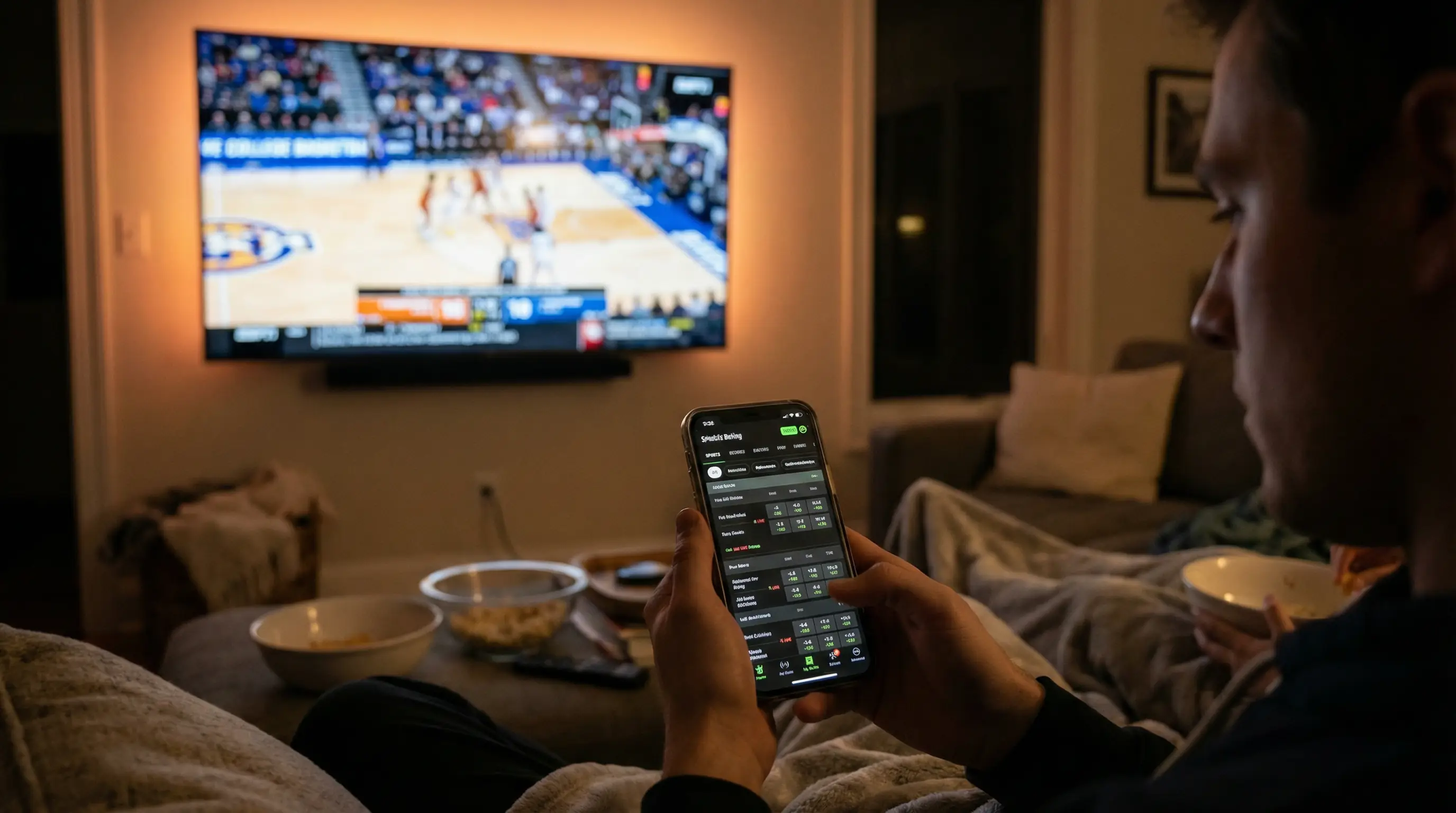
NBA Prop Bet Limits: Understanding Why Bookmakers Cap Your Stakes
 Available in US
The first time I tried placing £500 on a blocks prop, the system counter-offered £47. I stared at the screen assuming it was a glitch. It wasn’t. That bookmaker had quietly limited my account after three months of consistent profits on defensive stat props. No warning, no explanation – just suddenly restricted from betting meaningful amounts on the markets I’d been winning.
Prop bet limits exist for reasons ranging from legitimate risk management to aggressive customer profiling. Understanding why limits exist, how they’re implemented, and what you can do about them helps you navigate a system designed to cap winning players while accommodating recreational losers.
The 5,825 betting shops remaining in Britain represent declining high-street presence, but online operators face different competitive pressures. They can’t afford to let skilled bettors drain profits while recreational players generate sustainable revenue. Limits are how they balance those competing dynamics.
Why Prop Limits Are Lower Than Game Markets
A bookmaker might accept £10,000 on an NBA point spread but only £500 on a player’s points prop. The disparity reflects fundamental differences in how these markets operate.
Point spreads see enormous betting volume. Sharp and recreational money flows constantly, providing bookmakers with market feedback that refines pricing. If a spread is wrong, bettors quickly reveal the error through betting patterns. This self-correcting mechanism lets bookmakers accept larger stakes with confidence.
Props see fragmented volume across hundreds of individual markets. LeBron’s points prop might attract decent action, but a reserve’s rebounds prop might see only a handful of bets. Without market feedback, bookmakers rely entirely on their own projections – projections that systematic bettors might identify as flawed.
Thin markets mean one sharp bettor can move lines significantly. If you identify a mispriced blocks prop before anyone else and bet heavily, the bookmaker loses money without gaining offsetting action from the other side. Limits protect against this one-sided exposure.
Integrity concerns further suppress limits. The manipulation scandals involving prop bets, including 34 arrests in October 2025, demonstrated how vulnerable player performance markets are to inside information. Lower limits reduce bookmaker exposure to games that might not be contested fairly.
How Limits Actually Work
Initial limits for new accounts typically range from £250-500 on standard player props at most UK bookmakers. Exotic props – defensive stats, alternate lines, same-game parlay legs – start lower, sometimes £50-100 maximum.
Limits apply per selection, not cumulatively per game. You might place £500 on LeBron points, £500 on AD rebounds, and £500 on Russell assists in the same Lakers game. The cap restricts each individual bet rather than total Lakers exposure.
Accounts undergo periodic review based on betting patterns. Consistent winners, bettors who primarily hit closing-line value, and those specialising in inefficient markets all attract scrutiny. After review, limits decrease – sometimes dramatically, sometimes gradually.
Limit reductions rarely come with explanation. You’ll simply discover your maximum stake has dropped from £500 to £50. Customer service deflects with generic responses about commercial decisions. The opacity is intentional – bookmakers don’t want to reveal their limiting criteria to those trying to avoid detection.
Different prop types receive different treatment. Points props, being highest volume, often maintain better limits than obscure categories. A bettor might retain £200 limits on scoring while being restricted to £15 on steals props. Bookmakers protect themselves most aggressively on markets where they’re least confident in pricing.
Signs Your Account Is Being Limited
The rejected bet is the obvious signal, but earlier warning signs often precede outright limits.
Bets taking longer to be accepted suggests manual review. If your wagers previously processed instantly but now show “pending” for several seconds, someone or something is evaluating whether to accept. This friction often precedes limit reductions.
Promotional exclusion sometimes signals account flagging. Suddenly being ineligible for enhanced odds offers, free bet promotions, or deposit bonuses indicates the bookmaker has classified your account differently from recreational customers.
Odds movement immediately after your bet, particularly movement against your position, suggests your action carries weight the bookmaker wants to neutralise. Sharps move lines; recreational bets don’t. If your bets consistently trigger movement, you’re being tracked.
Stake rejection on specific market types while others remain unaffected indicates targeted limiting. You might be able to place full limits on points props but face severe restrictions on blocks. The bookmaker has identified where you’re winning and restricted accordingly.
Strategies for Managing Limits
Multiple accounts across different bookmakers provide the most practical protection. When one site limits you, others remain available. This isn’t circumventing rules – each account operates legitimately under your identity at a separate licensed operator.
Disguising winning patterns is theoretically possible but practically difficult. Occasional recreational-looking bets on losing propositions cost money directly and may not fool sophisticated profiling systems. Most bettors lack the discipline to intentionally lose enough to appear recreational while still generating overall profit.
Betting exchanges don’t limit winners because you’re betting against other users rather than the house. The trade-off is liquidity – NBA props on exchanges are often thin. You might find excellent odds with only £40 available at that price. For prop betting specifically, exchanges work better as supplements than primary platforms.
Accepting limits as the cost of winning represents the mature perspective. If your analysis produces consistent profits, some operators will restrict you. Build account relationships at multiple sites, capture value where available, and move on without frustration when limits arrive.
The Limit Reality for UK Bettors
UK gambling law doesn’t require bookmakers to accept any specific bet size. Licensed operators can limit or close accounts at discretion with minimal accountability. This frustrates winning bettors but reflects commercial reality – bookmakers are businesses that protect their margins.
Regulatory pressure occasionally addresses limits, but meaningful change remains unlikely. The UK Gambling Commission focuses on consumer protection – problem gambling, responsible messaging, financial checks – rather than bettor access to high limits. Winning players aren’t a regulatory priority.
The January 2025 financial check requirements at £500 monthly net spend created new friction for serious bettors. Now, accounts face both commercial limiting and regulatory verification simultaneously. Volume bettors must navigate document requests and affordability assessments regardless of their actual financial situations.
Building betting longevity requires accepting the system as it exists. Complain about limits if you want, but understand that bookmakers have every incentive to maintain the current structure and every legal right to do so. Your energy is better spent finding value across multiple operators than fighting a system designed to resist winners.
The foundational knowledge in our basketball prop bets guide applies regardless of account status. Analytical edge matters whether you’re betting £500 or £50. Limits change execution; they don’t eliminate the value of understanding markets deeply.
Why are prop bet limits so low?
Prop markets see less betting volume than game markets, meaning bookmakers get less market feedback to refine pricing. They must rely on projections that skilled bettors might identify as flawed. Lower limits protect against one-sided exposure on markets without offsetting action from recreational bettors. Integrity concerns following manipulation scandals further suppress limits on player performance props.
What can I do if a bookmaker limits my account?
Maintain accounts at multiple licensed bookmakers so alternatives remain when one site restricts you. Betting exchanges don’t limit winners though NBA prop liquidity is often thin. Disguising winning patterns is theoretically possible but practically difficult and expensive. Most bettors ultimately accept limits as the cost of winning and simply move action elsewhere rather than fighting the system.
Created by the ”Basketball Prop Bets” editorial team.