Live Betting Player Props: Finding In-Play Value During NBA Games
 Available in US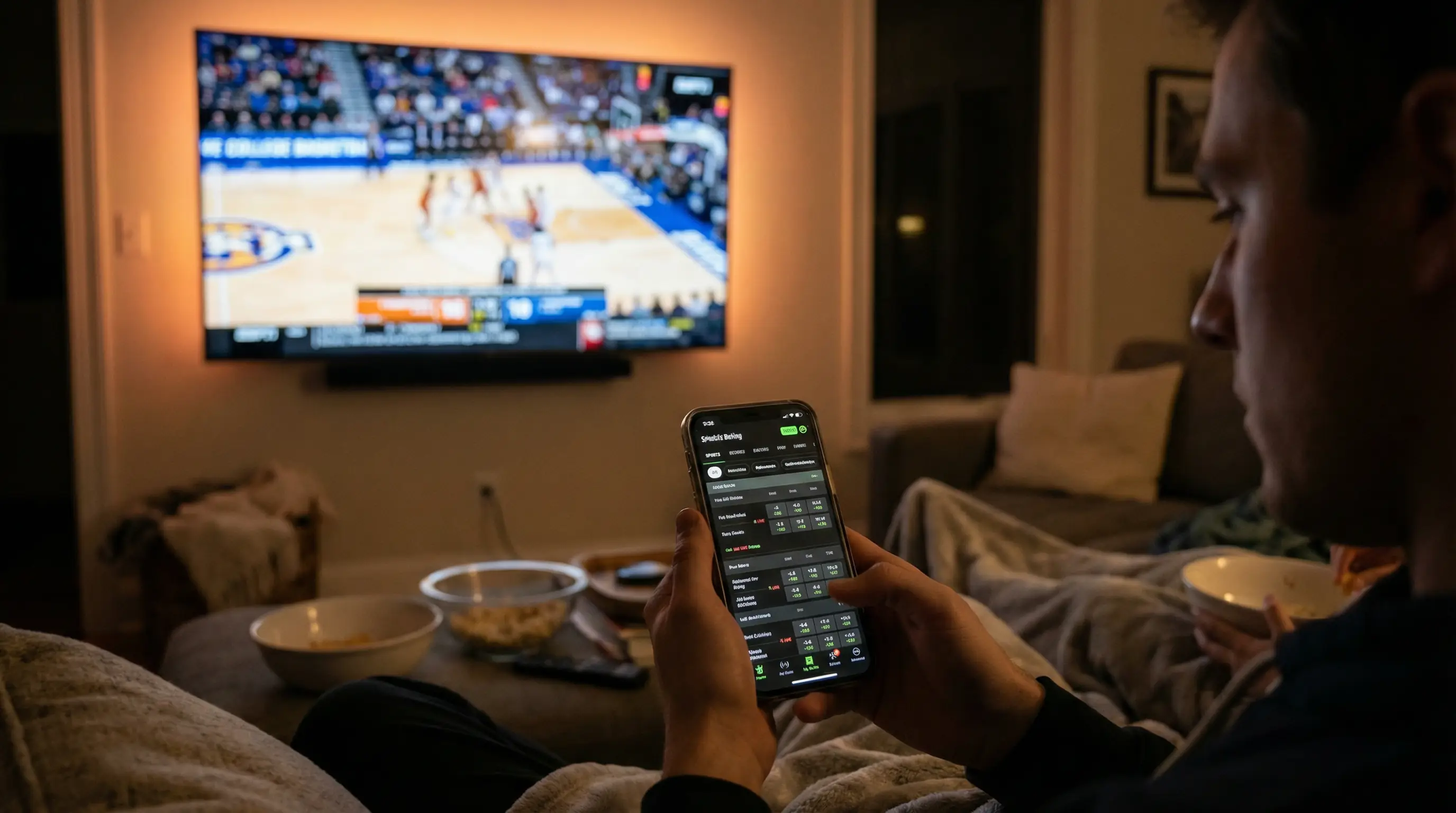
Jayson Tatum picked up his second foul four minutes into the first quarter. The broadcast barely mentioned it. But I’d been watching the live prop markets – his points line dropped from 28.5 to 24.5 within seconds as bookmakers processed the foul trouble implication. Two fouls meant cautious second-quarter deployment, potential third-quarter foul concerns, and uncertain fourth-quarter availability. I backed the under before the line settled, capturing value that pre-game analysis could never have identified.
Live betting captures 62.35% of online sports betting action according to industry data. The proportion reflects genuine advantages: you’re betting with actual game information rather than projections. Injuries, foul trouble, game flow, rotations – all the variables that pre-game analysis must estimate become observable reality during play.
The trade-off is speed. Lines move constantly during games. The edge you spotted five seconds ago might have vanished. Live prop betting demands quick decision-making, reliable technology, and the discipline to pass on marginal opportunities rather than chasing action for its own sake.
How Live Props Differ From Pre-Game
Pre-game props price expected outcomes based on projections. Live props price remaining expected outcomes based on actual game state. The distinction seems obvious but has profound implications.
A player’s pre-game points line might be 25.5. After the first quarter, he has 9 points. His live line might be 24.5 – not 16.5 (the original minus what he’s already scored). Bookmakers recalculate expected totals based on observed pace, rotation patterns, and game flow, then set new lines accordingly.
This recalculation creates opportunities when your assessment differs from automated pricing. Maybe you noticed the player’s shots weren’t falling but he’s getting excellent looks. Maybe you see defensive adjustments that will open scoring chances. The market prices observed outcomes; you can price expected future performance.
Timing becomes critical. Lines adjust rapidly after significant events – baskets, fouls, substitutions. By the time you’ve processed information and decided to bet, the line might have moved. Fast execution through mobile apps matters; desktop betting often can’t keep pace with live market movement.
Variance compresses in live betting. With less game time remaining, fewer possessions exist for outcomes to diverge from current trajectories. A player on pace for 30 points at halftime is more likely to finish near 30 than a player projected for 30 pre-game. This compression affects which bets offer value.
Exploiting Foul Trouble
Foul trouble represents the purest live betting edge. Pre-game markets can’t price specific foul accumulation; live markets must react to actual fouls in real time. The gap between optimal pricing and rapid adjustment creates value.
Early foul trouble matters most. Two fouls in the first quarter signals bench time and cautious deployment. Coaches protect players from third fouls obsessively, often benching key players for extended second-quarter stretches. This directly impacts minutes and statistical opportunity.
Third foul before halftime is particularly impactful. Most coaches sit players until halftime rather than risk a fourth foul that would limit second-half options. A star with three first-half fouls might play 20 second-half minutes instead of 24 – significant for prop outcomes.
Fourth and fifth fouls create maximum uncertainty. Will the coach risk fouling out? How aggressively will the player defend? These variables introduce chaos that live markets struggle to price accurately. When you have strong opinions about coaching tendencies, edge emerges.
Watch for foul trouble on players you’re not betting. A team’s secondary scorer picking up early fouls means usage redistribution to the primary scorer. This might not move the primary scorer’s live line immediately if bookmakers focus on the fouled player rather than teammates.
Blowout Opportunities
Blowouts create the starkest divergence between pre-game expectations and actual outcomes. Stars rest; benches play extended minutes; normal statistical distribution collapses.
The favourite’s stars in a blowout see compressed production. If a team leads by 25 entering the fourth quarter, starters might play 3-5 fourth-quarter minutes rather than 9-12. Their live props should reflect this – but automated pricing sometimes lags coaching decisions.
Bench players in blowouts offer interesting angles. A reserve averaging 8 points in 15 minutes might play 28 minutes in garbage time. His live points prop – if available – might not fully capture the extended opportunity. These props see less attention and potentially larger mispricings.
The trailing team presents opposite dynamics. Starters might play extended minutes in competitive losses, padding statistics through sheer volume. A player whose team is losing by 12 with six minutes remaining will likely play every remaining possession, accumulating stats beyond typical rates.
Game flow reverses occasionally. A 20-point lead becomes 8 points and suddenly starters re-enter. If you’ve taken unders expecting garbage time that doesn’t materialise, you’re caught on the wrong side. Consider blowout margin stability before betting on reduced playing time.
Halftime Analysis Windows
Halftime provides the longest pause for analysis during games. Use it systematically rather than randomly betting whatever props appear.
Check first-half pace against expectations. If the game is playing faster than projected, stat accumulation should exceed pre-game expectations across categories. If slower, the opposite applies. Pace carries into second halves more reliably than specific player hot or cold shooting.
Evaluate rotation patterns from the first half. Did the star play his expected minutes, or was he rested? Did the backup big see extended run suggesting future opportunity? First-half deployment patterns predict second-half minutes more accurately than pre-game projections.
Consider halftime adjustments. Trailing teams often push pace in the second half, creating more possessions and statistical opportunity. Leading teams might slow tempo to protect leads. These strategic shifts don’t always appear in automated live lines immediately.
Avoid chasing first-half performance. A player who scored 22 in the first half isn’t necessarily “hot” – he might have faced defensive coverage that will adjust at halftime. Regression toward normal second-half production often catches bettors who extrapolate unsustainable rates.
Practical Constraints for UK Bettors
Live NBA betting from the UK means late nights. Games tip off between 11 PM and 3:30 AM UK time, demanding either night owl schedules or selective engagement with specific matchups rather than full slates.
Fatigue affects decision-making. The quick judgments live betting demands suffer when you’re tired. If you’re betting at 2 AM after a full workday, your edge erodes through cognitive decline. Be honest about your mental state before engaging live markets.
Connection reliability matters. Live betting depends on rapid execution. Spotty wifi or mobile data delays cost money when lines move against you while your bet processes. Test your betting setup before relying on it for time-sensitive wagers.
Not all UK bookmakers offer comprehensive live NBA props. Some provide basic points and rebounds; others offer full statistical menus. Check availability at your preferred sites before game time rather than discovering limitations mid-game.
The foundational concepts in our basketball prop bets guide apply to both pre-game and live betting. Mastering statistical categories, understanding variance, and building disciplined betting habits serves you regardless of when during a game you place wagers.
How do live props differ from pre-game props?
Live props price remaining expected outcomes based on actual game state rather than projections. Lines recalculate continuously using observed pace, rotations, foul trouble, and game flow. This creates opportunities when your assessment of remaining game trajectory differs from automated pricing, but demands quick execution as lines move rapidly after significant events.
When is the best time to bet live player props?
The best live betting opportunities typically arise after significant events that change expectations – early foul trouble, injuries, unexpected rotation patterns, or emerging blowouts. Halftime provides the longest analysis window. Avoid betting simply because markets are available; wait for situations where your assessment genuinely differs from current pricing.
Written by the editors at Basketball Prop Bets.